Comparing Organic Mattresses: A Practical Guide to Material Quality and Comfort
An evidence-informed look at organic mattress options, decoding materials, certifications, and construction so you can choose a model that aligns with your sleep needs and values.
Published September 30, 2026
In the world of sleep, few topics spark as much curiosity and as many questions as organic mattresses. For many readers, the decision hinges on two core concerns: the quality of materials and the quiet confidence that comes from certifications you can trust. When you wrap these concerns in the language of comfort, you’re really asking: What will help me sleep deeper, cooler, and more peacefully, while knowing the foundation beneath me is as responsible as it is restful?
Organic doesn’t just mean benign or free of pesticides; it signals a holistic approach to materials, manufacturing, and supply chains. It’s about transparency—knowing what’s inside the mattress, where it comes from, how it’s made, and what happens at the end of life. This guide dives into real-world materials like natural latex, organic cotton, and wool, and it unpacks the certifications that shoppers should know before they commit to a model.
What makes a mattress truly organic?
At its core, an organic mattress is built with materials that are grown, harvested, and processed following standards designed to minimize chemical exposure and environmental impact. But the term can be slippery unless you understand the layers involved and the certifications that verify them. Here are the foundational components you’ll commonly encounter:
- Organic latex: Derived from rubber tree sap, processed with minimal synthetic additives. The most widely recognized certification is GOLS (Global Organic Latex Standard), which verifies organic content, processing, and chain-of-custody.
- Organic cotton: Used for covers and certain layers, produced without synthetic pesticides or dyes. GOTS (Global Organic Textile Standard) is the premier certification for organic textiles, ensuring environmental and social criteria are met throughout the supply chain.
- Organic wool: Sourced from farms following humane and sustainable practices. When labeled organic, wool is typically part of a system aiming to minimize chemical treatments and maximize fiber purity.
- Other natural materials: In addition to latex, cotton, and wool, some mattresses feature other natural fibers like cotton blends, linen, or silk in covers or comfort layers, each with its own quality signals and care considerations.
Understanding these basics helps you avoid the trap of marketing gloss. Organic labels should align with concrete standards, third-party audits, and clear documentation that traces materials from farm to final product.
Key certification families to look for
Certifications act as the backbone of trust in the organic mattress space. They provide a standardized way to verify claims about materials, processing, and overall product safety. While dozens of labels exist, a few stand out for the robust assurances they provide to consumers:
- GOTS (Global Organic Textile Standard) — Applies to textiles, including organic cotton and wool components used in mattresses. GOTS considers fiber content, chemical use, and social criteria, with independent certification at every stage of production.
- GOLS (Global Organic Latex Standard) — Dedicated to organic latex products, ensuring the latex content is organic and that manufacturing processes meet environmental and social standards. GOLS is a specialized standard that many premium organic latex mattresses carry.
- OEKO-TEX Standard 100 — While not exclusively organic, this certification tests textiles for harmful substances. It’s a useful signal for safety in the fabric portions of a mattress.
- CertiPUR-US (for foams) — This certification is often cited for foam components, indicating that foams are free from certain harmful chemicals. It’s not exclusive to organic mattresses, but it can appear in hybrid models or foam layers within organic lines.
- Global Standards — Some brands pursue country- or region-specific certifications that align with environmental and occupational safety norms. When evaluating options, note whether multiple certifications overlap to cover distinct components (latex, textiles, and foam).
When you encounter a mattress that claims organic status, check the product page for explicit mentions of GOLS and GOTS, or similar independent certifications, and request certificates or documentation if they aren’t readily available online. A trustworthy brand should be able to provide certificates or point you to a traceable certificate registry.
Material-by-material: how each component shapes comfort and durability
Comfort is not a single metric; it’s the sum of how materials interact under load, temperature, and motion. Here’s a practical look at the core components you’ll find in many organic mattresses, with a focus on how they contribute to long-term comfort and resilience.
Natural latex
Natural latex is celebrated for its elasticity and responsiveness. In organic mattresses, latex is often presented in Dunlop or Talalay forms. Dunlop tends to be denser and more supportive, while Talalay is typically lighter and airier. The steadiness of latex helps distribute pressure evenly and can offer reliable support across different sleeping positions. For eco-conscious shoppers, latex that carries GOLS certification assures you that the latex content is organic and that processing adheres to strict environmental standards.
Organic cotton covers
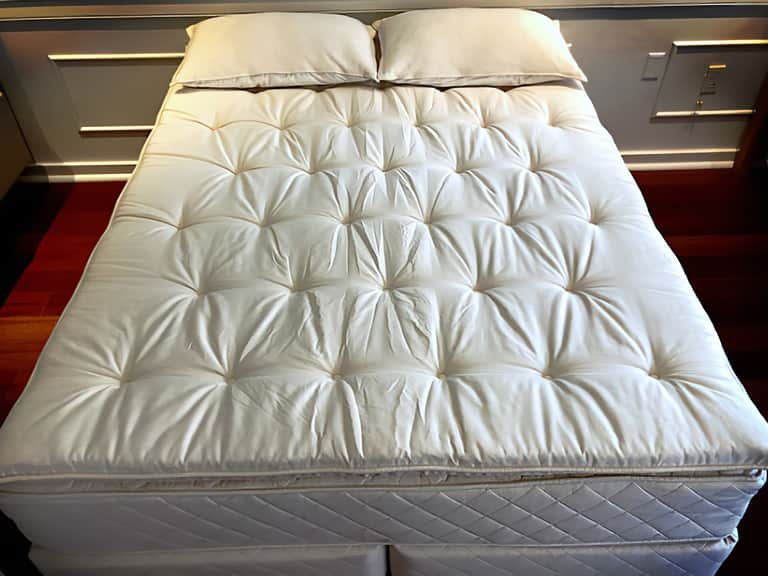
Organic cotton serves as a breathable, durable shell that can contribute to a cooler sleep surface, especially when paired with airy interior layers. Covers that are GOTS-certified guarantee that cotton was grown without synthetic pesticides and dyes, and that the manufacturing process adheres to sustainable textile practices.
Organic wool and other insulating fibers
Wool is a natural regulator of temperature and humidity. When wool is used in organic mattresses, it typically serves as a soft, resilient layer that channels moisture and helps maintain a stable sleeping climate. Wool can also act as a flame retardant in an inherently natural and low-toxicity way, reducing the need for additional chemical finishes.
Foam components: safety and performance
Many organic mattresses incorporate a foam layer or support core, often designed to maximize spinal alignment and pressure relief. If foams are used, look for certifications like CertiPUR-US to confirm that the foam content meets safety criteria and avoids certain harmful flame retardants. Some brands combine foam with natural latex or rely on pocketed coil systems to achieve a balance of support and motion isolation.
Brand-focused lens: evaluating Naturepedic, Savvy Rest, and Obasan
These brands frequently appear in conversations about organic sleep products, each with distinctive approaches to materials and craft. Here’s a practical lens for evaluating options from each, without turning this into a brand shopping guide:
- Naturepedic emphasizes organic fiber and non-toxic construction, often highlighting certifications across multiple layers and components. When assessing Naturepedic models, look for transparent material lists and a clear explanation of where organic content applies (core vs. cover) and how the encasing fabrics contribute to breathability and hygiene.
- Savvy Rest focuses on modular systems and customizable configurations, frequently using natural latex cores, organic cotton covers, and wool or cotton insulators. A modular approach can be advantageous if you want to adjust firmness or swap layers over time, but confirm the ability to maintain organic standards across any changes.
- Obasan blends organic latex with natural wool and cotton, often highlighting the use of GOTS-certified textiles and latex. When evaluating Obasan models, consider the balance between core support and surface comfort, and how wool and cotton layers interact to regulate temperature without relying on synthetic additives.
Across these brands, the throughline is a commitment to organic materials and transparent practices. The most important signals for a consumer are clear material declarations, visible certifications, and a straightforward warranty or return policy that accommodates organic commitments and long-term use.
How to read real-world product pages: a field guide
When you land on a product page, you’ll encounter a blend of performance claims, material lists, and certifications. Here’s a practical checklist to help you interpret product pages without getting lost in marketing language:
- Material breakdown: Look for a detailed list of core layers and their materials. Are latex, cotton, and wool identified by name? Are any foams present, and if so, what are their certifications?
- Certification badges: Note which materials carry GOTS, GOLS, OEKO-TEX, or CertiPUR-US certifications. If a page mentions “certified organic,” verify which components carry organic status.
- Construction notes: Pay attention to the layering order, firmness cues, and whether the mattress is flippable or designed for a specific support surface.
- Care and durability: Look for care instructions, expected lifespan, and warranty terms. Organic mattresses should offer a robust warranty that reflects the premium nature of materials and build.
- Environmental and social sourcing: Some brands provide narratives about sustainable farming, fair labor practices, and supply chain transparency. While not a certification per se, it can be a meaningful indicator of brand values.
In practice, you’ll find models that emphasize latex cores surrounded by organic wool and cotton, with a breathable organic cotton cover and a natural flame barrier approach. A well-constructed page will spell out whether the entire mattress is organic, or if select components—such as the cover or specific insulators—carry organic certification.
Putting it all together: a quick decision framework
Choosing an organic mattress isn’t just about finding the greenest option; it’s about matching materials to your sleep needs, health concerns, and lifestyle. Here’s a practical, six-step framework to help you decide with confidence:
- Define your priorities: Are you prioritizing organic standards, temperature regulation, or contouring and support? Your answers will guide the balance between latex density and wool insulation.
- Check certifications per component: Confirm which parts of the mattress are certified organic (latex, textiles, wool) and which certifications cover safety (foam components, if present).
- Assess firmness and compatibility: Organic latex offers a spectrum from medium to firm. Decide on your preferred feel and whether you require a flippable design or a modular setup.
- Consider temperature management: Wool and cotton layers influence moisture handling and breathability. Latex’s open-cell structure also affects heat dissipation.
- Review warranty and return policies: A generous warranty paired with a trial period signals a brand’s confidence in long-term comfort and durability.
- Calculate total value: Factor in materials quality, certification integrity, durability expectations, and the brand’s environmental stance.
By following this framework, you can navigate the organic mattress landscape with a clear sense of what matters most to you, reducing the risk of sticker shock or product mismatch.
A snapshot of standout models and practical notes
While product availability changes, the following types of models commonly appear in reputable organic lines. If you find a model that integrates these characteristics, it’s worth comparing directly against others in its category:
- All-latex organic cores with a GOLS-certified latex layer, topped with organic cotton and wool for temperature regulation and comfort, often in a medium-firm range.
- Modular latex systems that let you swap comfort layers while maintaining a latex core and organic textiles, enabling personalization over time.
- Hybrid organic setups combining latex or innerspring cores with organic latex comfort layers and organic wool or cotton insulators, designed to maximize support and airflow.
When you’re shopping, reference the specific product pages for details on the exact certifications, layers, and care instructions. If you’re considering a model from the brands mentioned above, review their approach to material transparency and how they articulate the organic content of each component.
Bottom line: making an informed, confident choice
Organic mattresses represent a commitment to both the health of sleep and the health of the planet. They demand careful reading—of materials, certifications, and construction—so you can align your purchase with your values and sleep needs. By focusing on materials, understanding certifications, and evaluating construction with a critical eye, you can find a mattress that offers robust comfort, durability, and peace of mind.
In the end, the real story is about you: your sleep routines, your body’s requirements, and your environmental considerations. The right organic mattress helps you unlock deeper rest, day after day, while staying true to the standards that matter to you.
Related resources
For readers who want to dive deeper, consider starting with cornerstone topics such as sleep science explained, mattress materials and construction, and how to interpret mattress certifications. A steady stream of long-form guides, quick-reference checklists, and expert insights can illuminate the path to better sleep without compromising your values.
Product spotlight
Note: The following products on this site align with the organic materials narrative and offer genuine material integrity that matches the guide’s criteria. If you’re exploring options, they may serve as concrete examples of how organic content can be presented and verified on product pages.
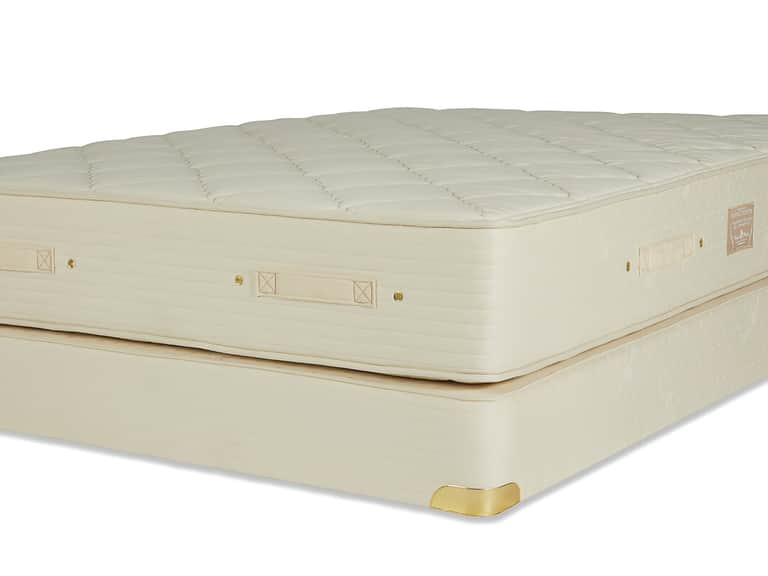
- Royal-Pedic Premier Natural Latex Quilt-top Mattress — An all-natural latex core with chemical-free wool layers, housed in premium cotton fabric, designed for resilient support and plush surface feel. Link: Royal-Pedic Premier Natural Latex Quilt-top Mattress
- Naturally Organic Hudson Luxe Latex Mattress — Organic Dunlop latex core with an organic topper and wool-cotton construction that emphasizes temperature regulation and non-toxic materials. Link: Naturally Organic Hudson Luxe Latex Mattress