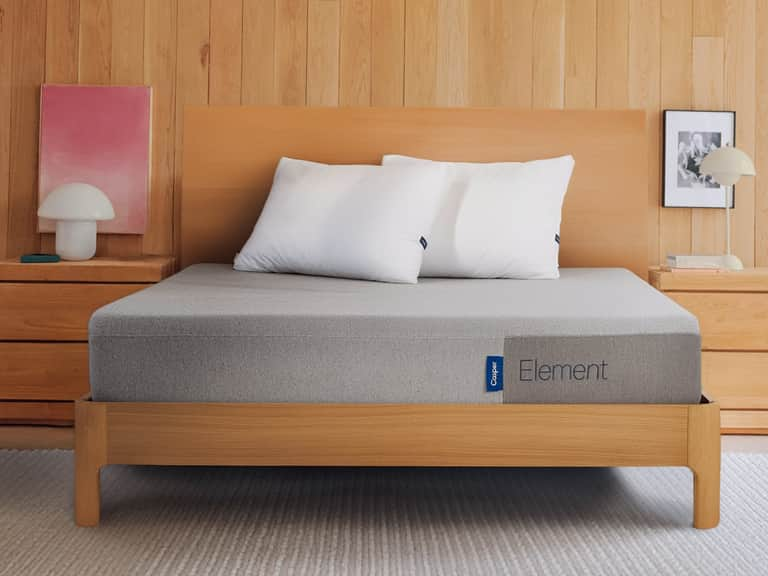
Foam mattresses are crafted from viscoelastic or open-cell foam layers designed to contour to body shapes while providing consistent support. They often emphasize pressure relief, motion isolation, and a balanced blend of firmness with conforming comfort. Understanding layer structure helps compare models and identify how materials impact sleep quality and durability.
In foam mattress construction, the top comfort layer typically delivers immediate feel and temperature regulation, while the foundational support core maintains alignment of the spine. Memory foam and polyurethane blends offer varying degrees of contouring, resilience, and edge support, influencing overall durability and ease of movement across the surface.
The Original Mattress exemplifies classic foam design with a focus on adaptive pressure relief and zoned support to accommodate different body regions. Its grated airflow and breathable cover contribute to moisture management, while the foam composition aims to minimize motion transfer for undisturbed sleep across a partner pair.
The Element Mattress showcases a balanced approach with layered foam that emphasizes responsiveness and pressure distribution. Features may include breathable foams, supportive transitions, and cooling properties intended to sustain comfortable sleep temperatures without sacrificing contouring benefits for spinal alignment.
When evaluating foam mattresses, considerations include density, ILD (indentation load deflection), sleep position compatibility, and the interplay of comfort layers with the core. Keywords such as bedding, pillows, sheets, organic mattresses, and latex reflect broader material ecosystems that influence long-term comfort, hygiene, and overall sleep health.
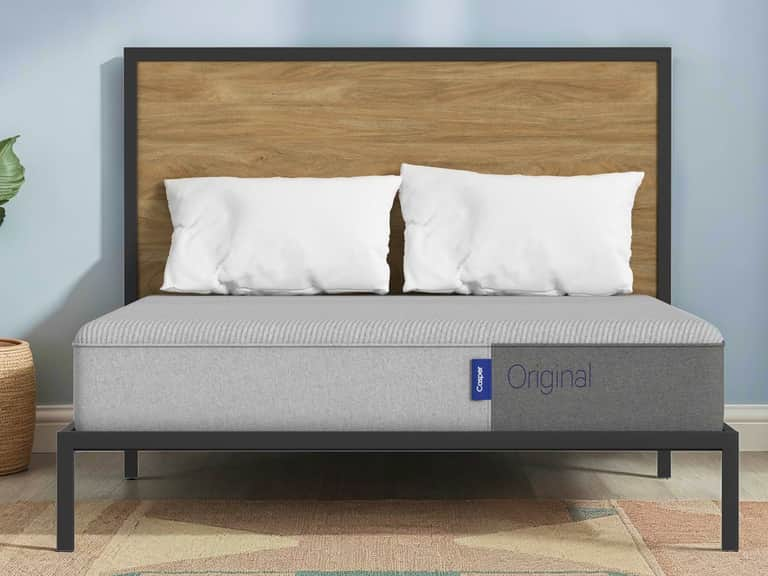 Mattresses